

Weave The Future
Partnering with Indonesia’s traditional natural-dye weavers and dye plant farmers. Developing livelihood opportunities that embody traditional ecological wisdom.
Our Mission
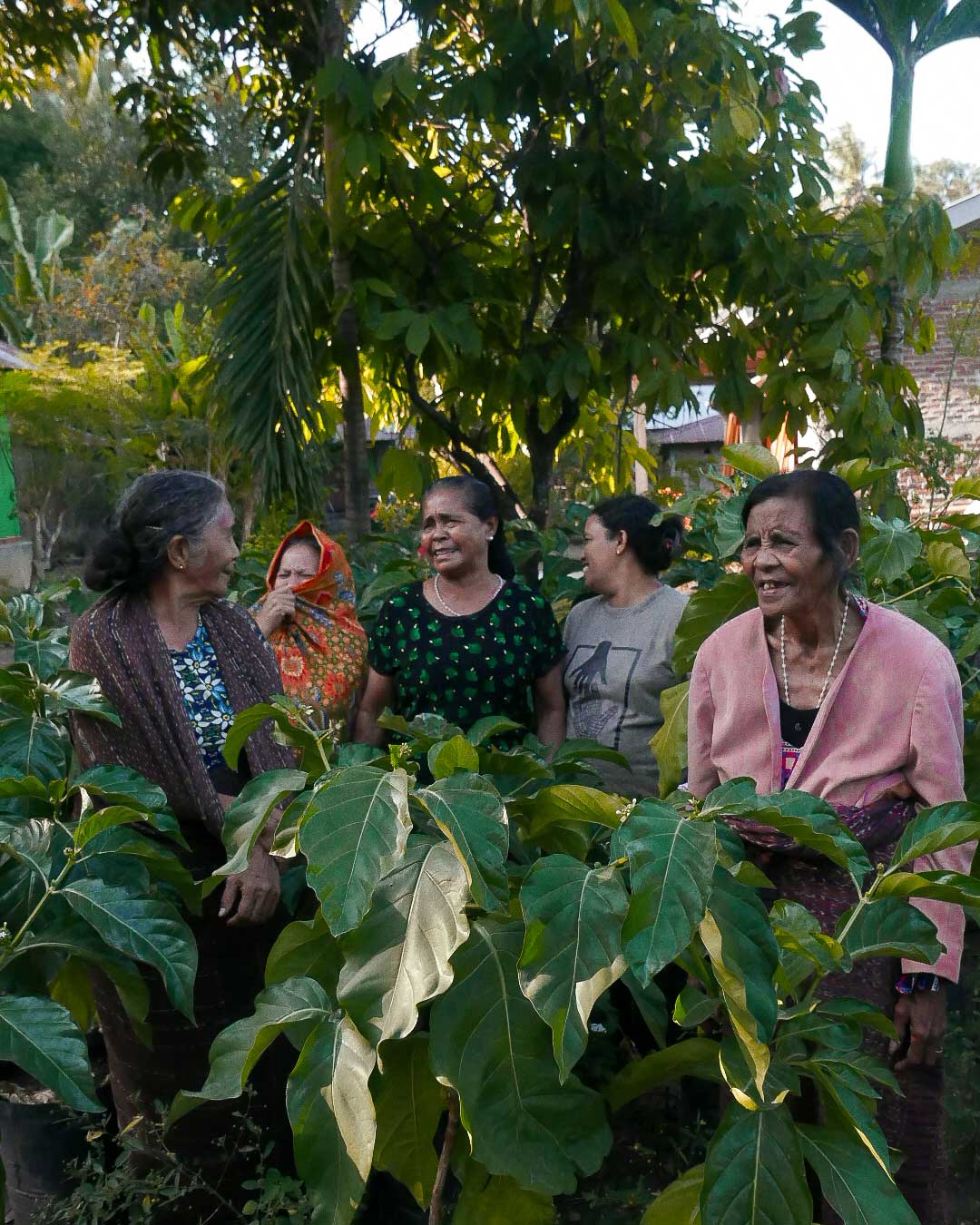
Sustaining natural dye supplies
Climate change and changing land use have put the natural dye plants behind generations of high-value weaving at risk. We facilitate and support indigenous communities as they rebuild sustainable supplies.
Sustaining indigenous knowledge
The Bebali Foundation multiplies the impacts of its work by training other grass roots organizations in the culturally-engaged participatory research methodology by which we amplify traditional ecological wisdom.
“We are told that we are backward and primitive for maintaining our traditional culture and that we need to let it go to benefit from the globalized economy. Why do we have to make this choice? How do we maintain our culture and identity and make a living while doing so?”
Plenary Statement of the 2005 Nusantara Weavers’ Festival, Waimatan, Lembata
In 2005–2006, the Bebali Foundation held two World Bank-funded festivals for 100 natural-dye weavers across its 12-island network. These gatherings surfaced shared problems in dye supply and knowledge transmission — giving the foundation its founding mandate: helping indigenous weavers sustain their culture, identity, and livelihoods amid constant change.
Long-term Relationships
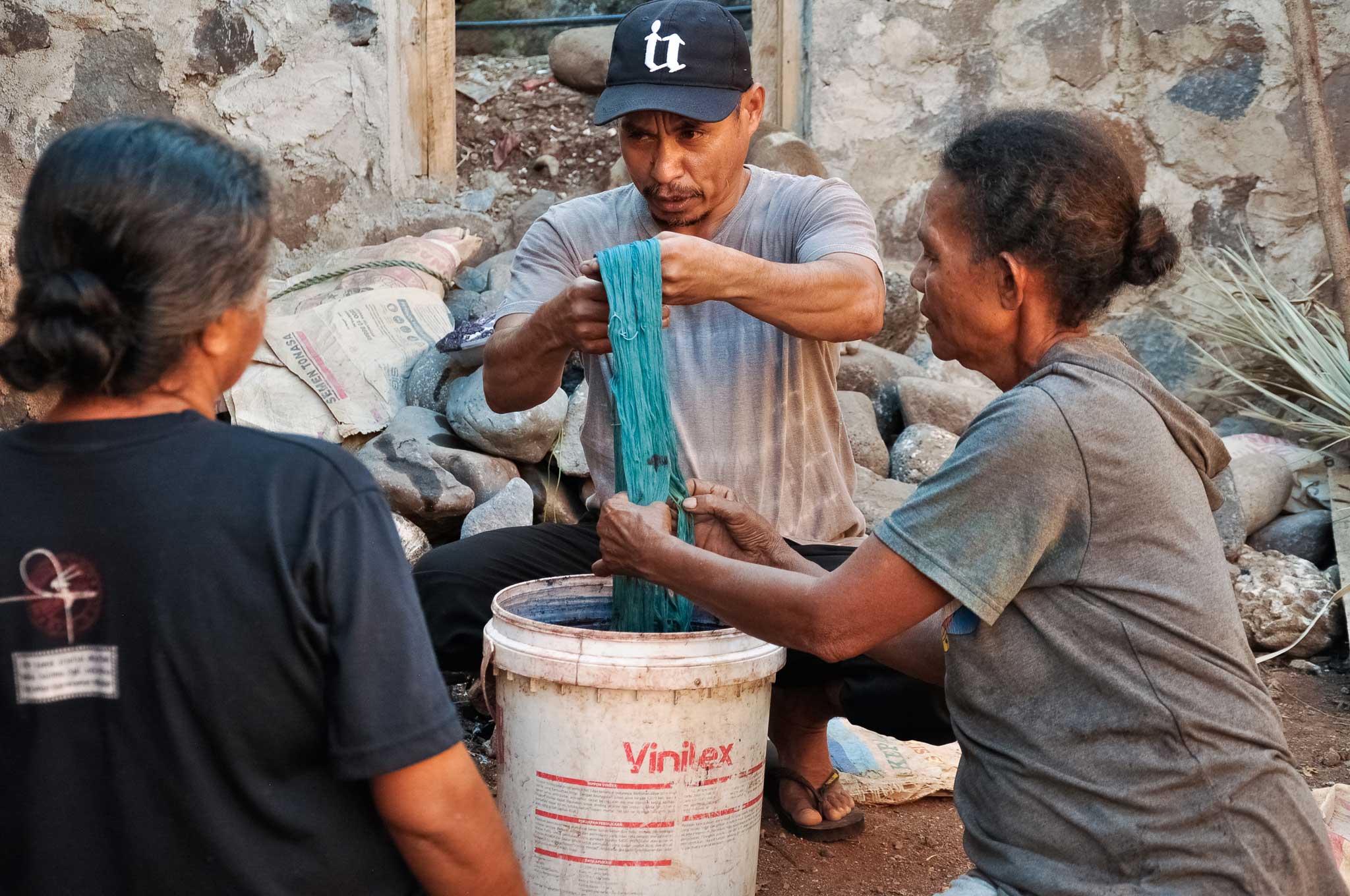
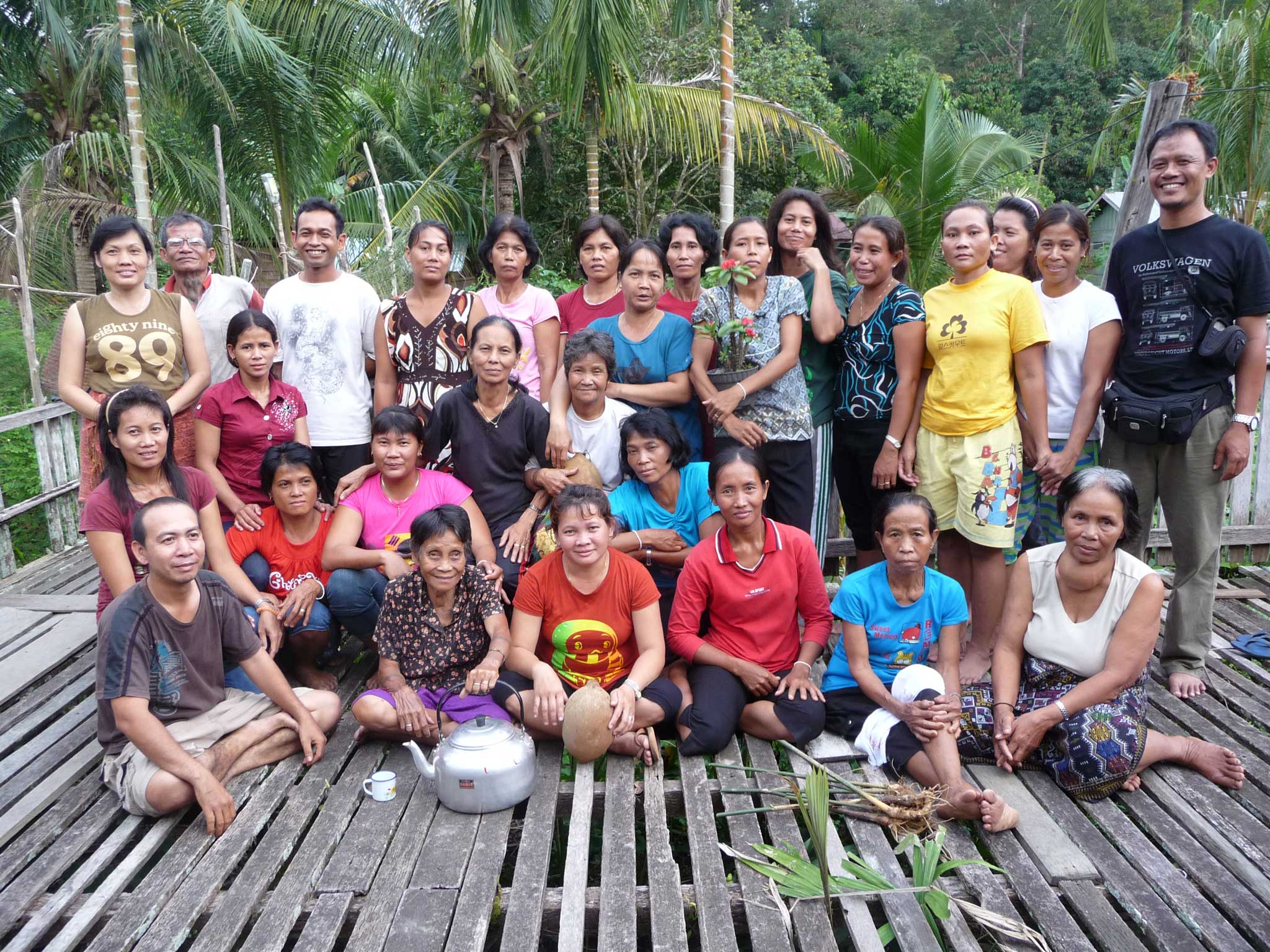
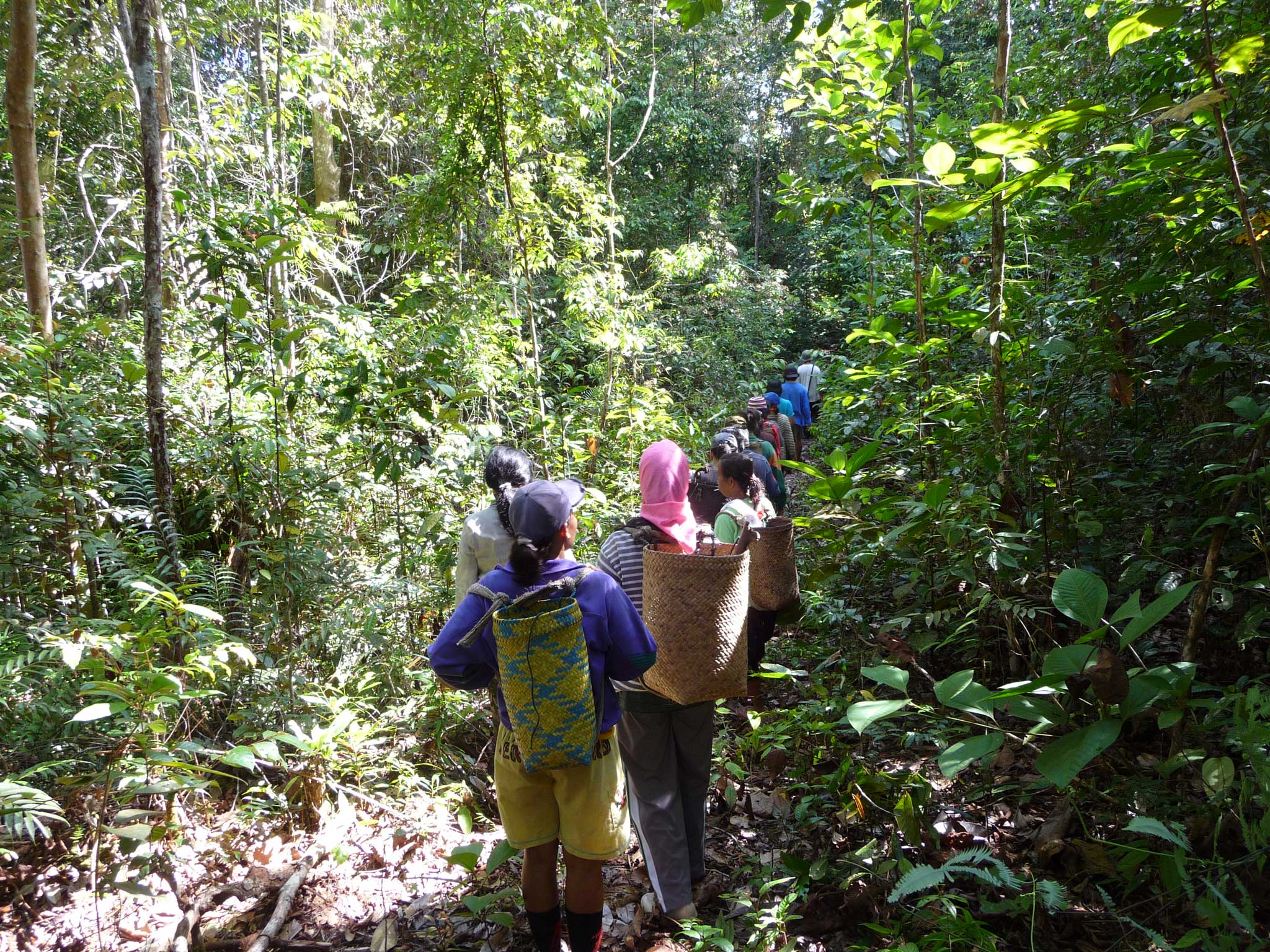
Building real impact takes time. It means engaging with people beyond funding cycles. It means communities staying engaged with us because we offer long-term value to them. Relationships are key to everything we do and the longevity of our working relationships with partner communities is our best measure of success.
When we enter an Indigenous community, we enter the web of affiliations upon which people’s survival depends. Land stewardship is founded on a relationship to place. Cultural resilience is established through kinship with the people, plants, and animals of that place. Livelihoods depend on trade relations that honour place and culture. Respecting these relationships means we stay engaged, and it is this engagement that builds long-term impact.
Community Relationship History
Donate
Support Our Work
We build long-term relationships with our partner communities, and we extend this community to all our donors and supporters.
Join our community of private donors and institutional funders to support Bebali Foundation’s vital work.