

Weave The Future
Who We Are
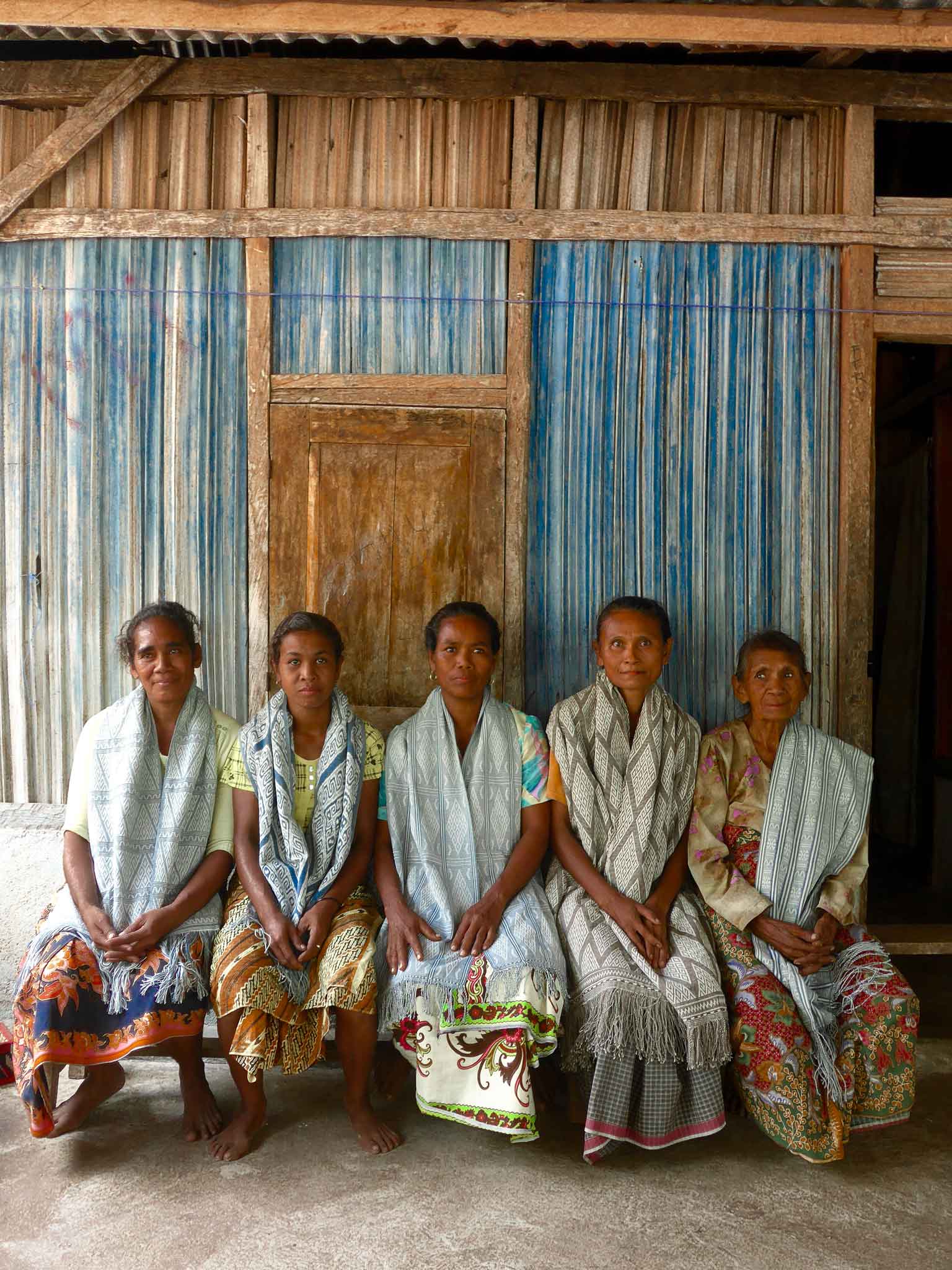
At the Bebali Foundation, we are Indonesian (Balinese, Timorese, Dayak, and Javanese) community development workers, natural dyers, agriculturalists, and researchers who understand the inseparable connection between our material cultures, the ancestral wisdoms they express, the landscapes that have shaped these wisdoms, and the health of our people within these landscapes. Through our work we support those who share this understanding within indigenous communities across the archipelago.
“We cannot forget what our grandmothers and grandfathers left for us to carry on”
I Made Maduarta (Pung)
Our Mission
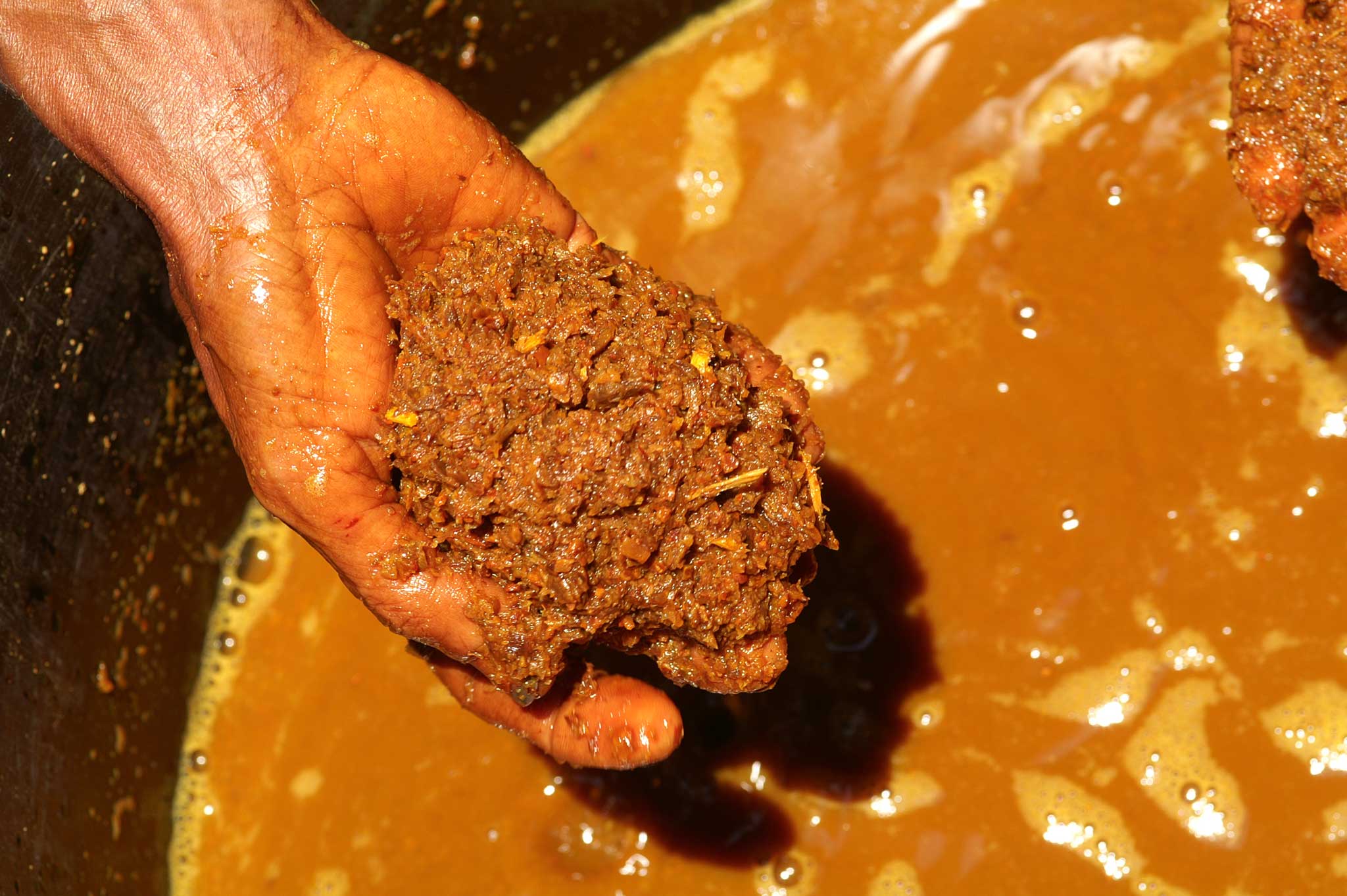
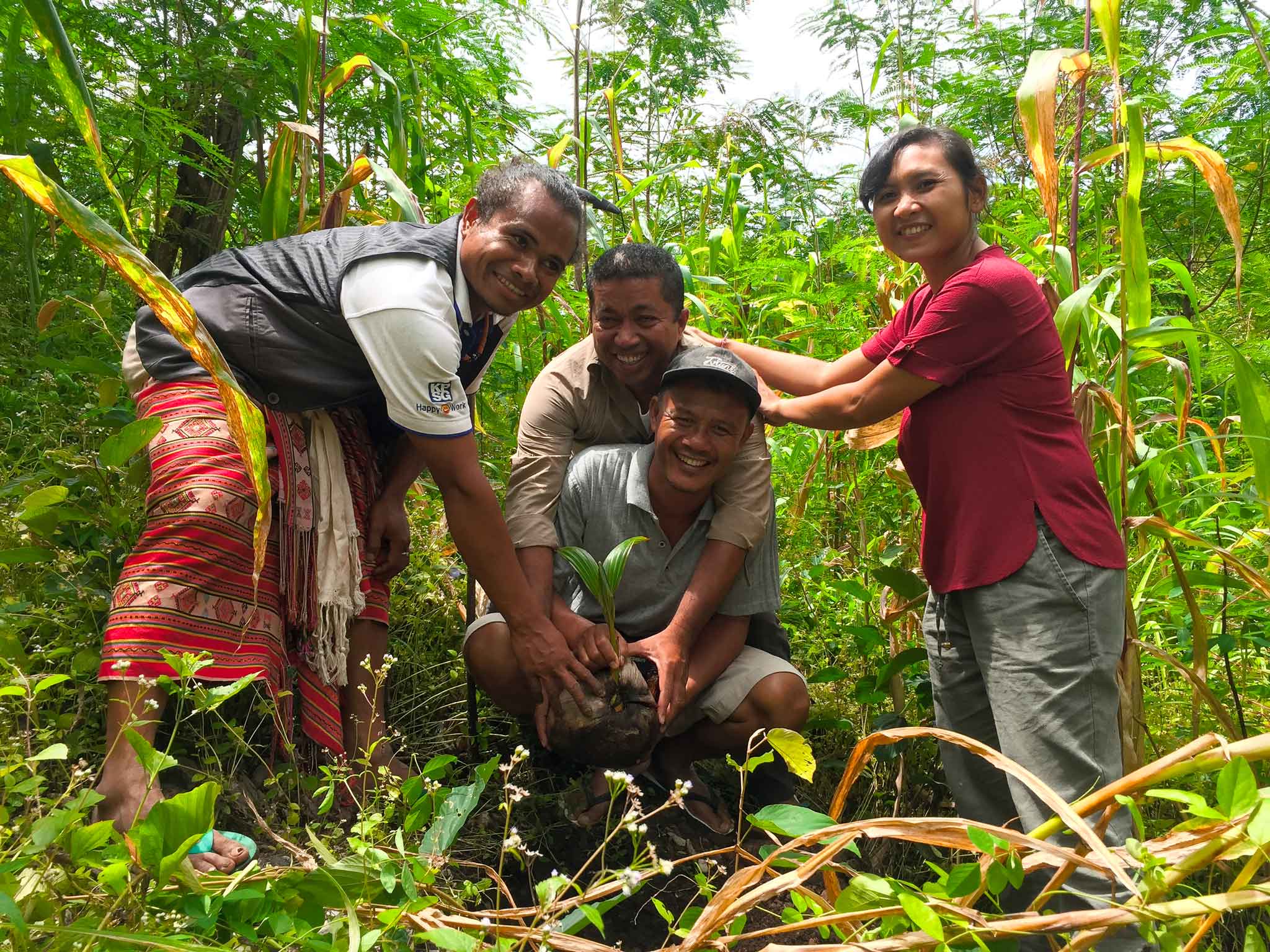
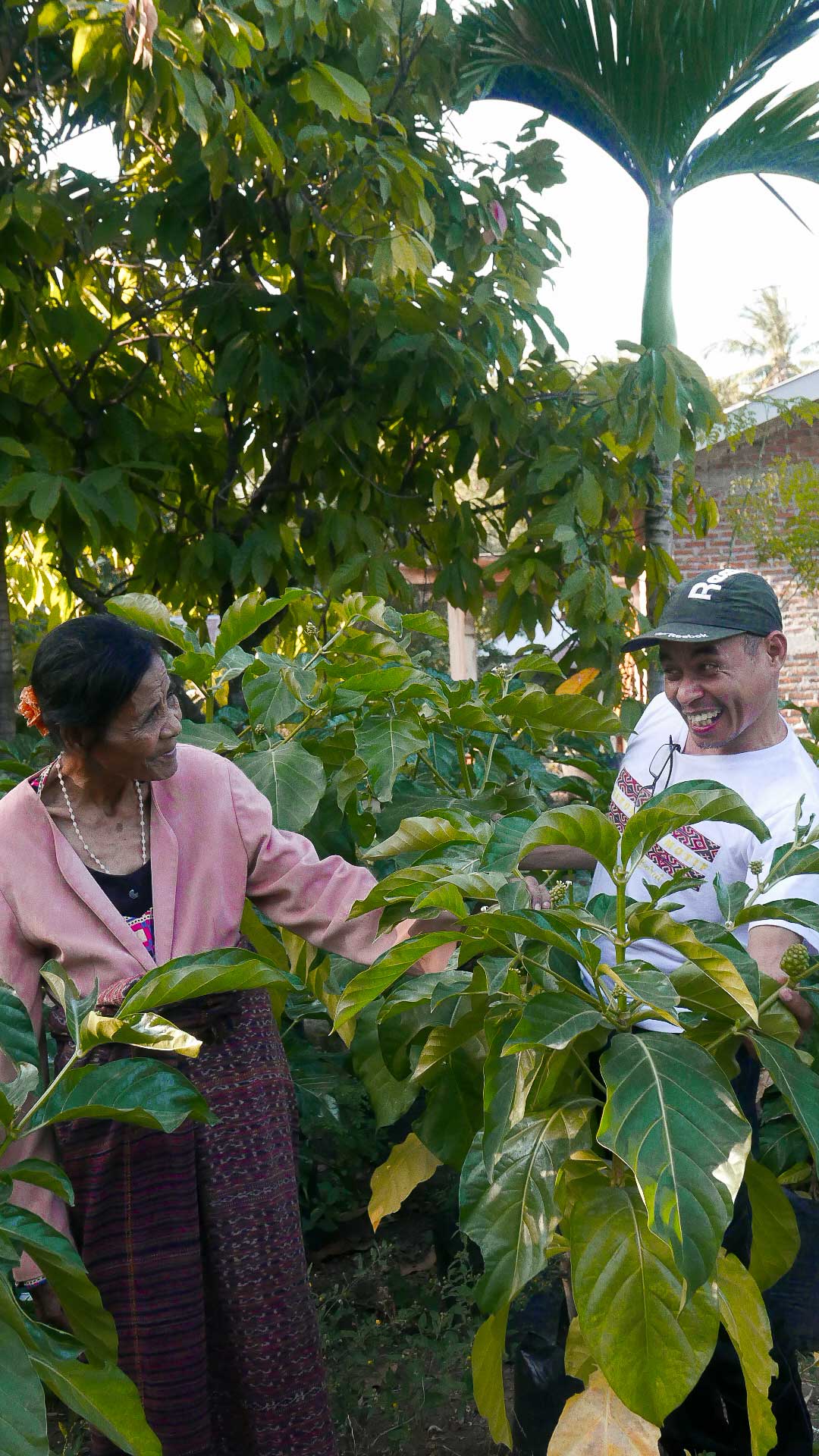
Across changing landscapes, weavers are rebuilding sustainable supplies of natural dye plants for their high-value traditional textiles.
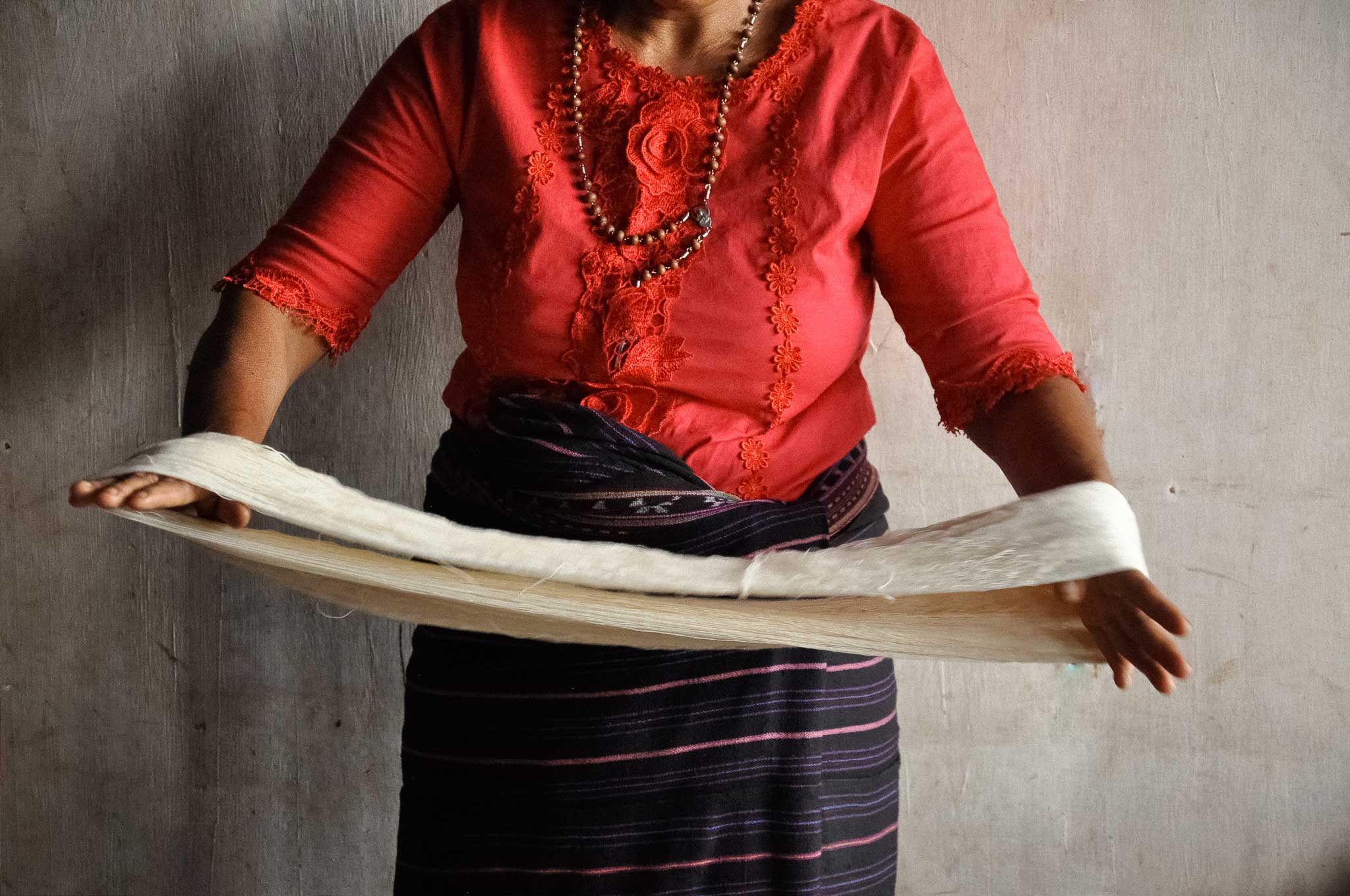
The Bebali Foundation facilitates this by establishing natural dye plant producer groups in indigenous communities, teaching technical skills to these groups, developing their business capacities, and then teaching weavers how to use these dyes.
Amplifying traditional ecological wisdom throughout the market chain for indigenous crafts improves livelihoods and supports sustainability.
Over the course of 25 years, the Bebali Foundation has developed a proven methodology integrating craft marketing with participatory cultural documentation within indigenous communities and offers lessons learned to other organizations through its Culture, Ecology and Livelihoods Learning System (CELLS).
How We Work
The cultural survival of Indonesia’s indigenous peoples is bound up in the continuity of their natural dye textile arts and traditional crafts. The traditional ecological knowledge these arts embody transmits a responsible relationship to land between generations. Place and art together form the foundations of collective identity and resilience.
This survival requires both a sustainable supply of raw materials and a reliable demand for finished textiles. The Bebali Foundation works with the Threads of LIfe social enterprise offering capacity building that makes production possible while Threads of Life provides a culturally sensitive long-term market that motivates production. In combination, this strategic partnership between a nonprofit and a social enterprise establishes an ecosystem of long-term relationships within which the textile arts and traditional crafts can flourish.
Where We Work
Bebali Foundation works in communities where traditional cultural knowledge is still valued. We recognise that traditional culture is at risk from mass textile production and urbanisation.
Bebali Foundation works with over 1200 women weavers in more than 35 communities on 12 islands across central and eastern Indonesia.
Donate
Support Our Work
We build long-term relationships with our partner communities, and we extend this community to all our donors and supporters.
Join our community of private donors and institutional funders to support Bebali Foundation’s vital work.